

Close Menu
AdimorahBlogAdimorahBlog
  • Home
  • ABOUT US
  • CONTACT US
  • PRIVACY POLICY
  • XIAOMI
    • Xiaomi apps
      • POCO beta testers
    • Xiaomi News
    • Xiaomi Pad
    • Redmi
    • POCO
  • MIUI updates
    • MIUI 14
    • MIUI beta testers
    • MIUI launcher
  • Google
    • Google Camera
    • Pixel
    • Google chrome
  • Samsung
    • OneUI news
    • Samsung News
    • Samsung Galaxy Watch
  • Android
    • Android 13
    • Android 14
    • Android 15
    • Android Auto
  • Smartphone
    • Apple
    • Samsung
    • Pixel
    • XIAOMI
    • Redmi
    • POCO
    • OnePlus
    • Sony
    • Fairphone
    • OnePlus
  • How To
  • Gaming
    • Video gaming
Facebook X (Twitter) Instagram
AdimorahBlogAdimorahBlog
Subscribe
  • Home
  • ABOUT US
  • CONTACT US
  • PRIVACY POLICY
  • XIAOMI
    • Xiaomi apps
      • POCO beta testers
    • Xiaomi News
    • Xiaomi Pad
    • Redmi
    • POCO
  • MIUI updates
    • MIUI 14
    • MIUI beta testers
    • MIUI launcher
  • Google
    • Google Camera
    • Pixel
    • Google chrome
  • Samsung
    • OneUI news
    • Samsung News
    • Samsung Galaxy Watch
  • Android
    • Android 13
    • Android 14
    • Android 15
    • Android Auto
  • Smartphone
    • Apple
    • Samsung
    • Pixel
    • XIAOMI
    • Redmi
    • POCO
    • OnePlus
    • Sony
    • Fairphone
    • OnePlus
  • How To
  • Gaming
    • Video gaming
AdimorahBlogAdimorahBlog
Home | MIUI update | Xiaomi News | huawei | Huawei starts testing its in-house chipset that will compete with Qualcomm and MediaTek 
huawei

Huawei starts testing its in-house chipset that will compete with Qualcomm and MediaTek 

JonjoBy JonjoFebruary 22, 2023No Comments2 Mins Read
Facebook Twitter Pinterest LinkedIn Tumblr Email
Huawei starts testing its in-house chipset that will compete with Qualcomm and MediaTek 
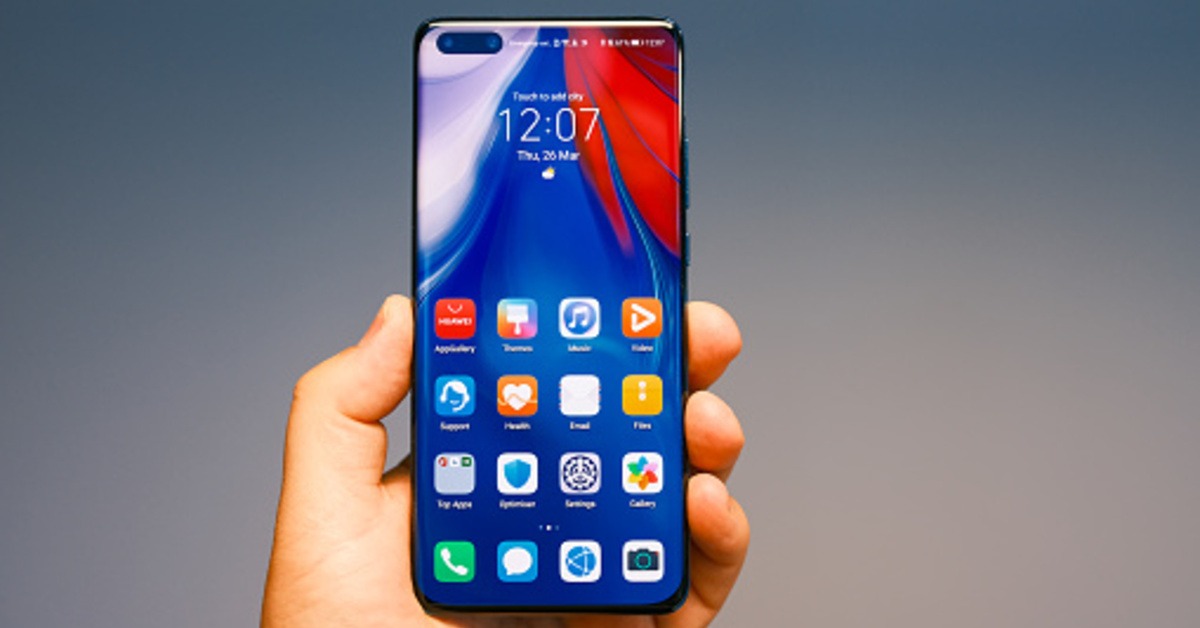
SAIGON, MAY 2020 - Newly launched Huawei P40 Pro smartphone is displayed for editorial purposes
Share
Facebook Twitter LinkedIn Pinterest Email

We reported earlier this month that Huawei has begun mass-producing its in-house chipset. This was significant because the US Commerce Department had barred the corporation from purchasing cutting-edge chips built by foundries utilizing American technology. Huawei employed Qualcomm’s Snapdragon 8+ Gen 1 processor in last year’s highly praised Mate 50 Pro flagship model, which does not enable a 5G connection.
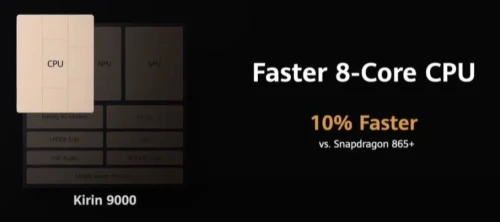
Huawei's in-house chipset

The Biden administration stated in late January that it was refusing more requests for export permits from US firms exporting to the Chinese company. It means that if its supply of Snapdragon processors runs out, Huawei will be unable to employ even 4G Snapdragon technology. And in China, the country’s largest foundry, SMIC, is confined to creating chips utilizing the 12nm-14nm process node, as opposed to the 3nm devices produced by TSMC and Samsung.

advertisement

Can Huawei’s in-house chipset truly compete with Qualcomm and MediaTek?

A lower process node number implies that smaller transistors are used, which allows more to fit inside a device. And the more transistors a chip has, the more powerful and energy-efficient it is.

Even if the preceding claim is true and Huawei can mass-produce an in-house chipset using a 12nm-14nm manufacturing node, the phones that will utilize them would be slower than those built by other manufacturers, even those located in China, such as Xiaomi, Oppo, Vivo, and OnePlus. Because of its purported links with the Communist Chinese government, Huawei is viewed as a national security danger in the United States.

Meanwhile, the question is why China’s leading foundry cant make chips at a lower manufacturing node. This is because the single equipment required to produce silicon at nodes of 10nm and below cannot be delivered to China. Extreme ultraviolet (EUV) lithography equipment is used to etch exceedingly tiny circuitry designs on silicon wafers. Only one business, Dutch firm ASML, manufactures the machine, which is prohibited from being sent to China by the Netherlands, the United States, and Japan.

Nonetheless, Huawei continues to forge ahead on its own, as it has done with its HarmonyOS operating system, XMAGE photography system, and Huawei Mobile Services ecosystem. According to Huawei Central, despite the restrictions, Huawei’s semiconductor business, HiSilicon, has continued to work on creating new chipset designs. Before the penalties, Huawei was the second largest customer of top foundry TSMC, after only Apple.

Source 

Share. Facebook Twitter Pinterest LinkedIn Tumblr Email
Jonjo
  • Website
  • Facebook
  • X (Twitter)

I'm a passionate tech blogger.

Related Posts

A camera sample from Huawei P60 Pro surfaces on the internet 

March 10, 2023
Add A Comment

Comments are closed.

Recent Posts
  • How to Use a Free Online Image Converter Easily
  • Xiaomi starts rolling out stable Android 16 based on HyperOS 2
  • Galaxy A36 Android 16-based One UI 8 build spotted
  • Galaxy A15 One UI 8 build spotted on Samsung servers
  • Xiaomi 13T HyperOS 2.2 is now available for download
About Us
AdimorahBlog was founded in 2017 and has grown into a global brand in the past years. As we continue to expand, we will keep providing our readers with the best coverage on Xiaomi HyperOS updates and smartphone latest Android OS updates. We strive to become the update hub for all smartphones. Contact Us: info@adimorahblog.com
AdimorahBlog
Facebook X (Twitter) YouTube Telegram
  • Home
  • CONTACT US
  • ABOUT US
  • PRIVACY POLICY
© 2026 AdimorahBlog. All Rights Reserved

Type above and press Enter to search. Press Esc to cancel.